

Alternative Justice Systems
Honouring Article 159(1)(c)–(d), traditional, informal and restorative justice that complements the formal courts.
How we work this practice.
In line with Article 159(1)(c)–(d) of the Constitution of Kenya, we work alongside communities, councils of elders and public institutions to design and implement traditional, informal and restorative mechanisms that complement formal courts. Our practice sits at the meeting point of customary legitimacy and constitutional standards.
Alternative Justice Systems work best when they are designed with care, run with discipline and documented in a way the formal courts can recognise. We bring the policy fluency, community trust and procedural rigour to make that happen. We are co-authors of national AJS materials and have helped shape the Judiciary's framework on the ground.
Our AJS work supports community land and resource disputes, gender-sensitive process design, restorative outcomes in matters that would otherwise overwhelm the formal courts, and capacity building for elders, judicial officers and project teams operating in customary contexts.
- Community land and resource conflicts
- Gender-sensitive process design in customary fora
- Court recognition and enforcement of AJS outcomes
- Capacity building for elders and judicial officers
What we deliver.
A deliberate four-step approach.
Strategic counsel, executed with the discipline of a top-tier institution.
Community mapping and consent
Process design and facilitation
Resolution and documentation
Court recognition where required
Distinctions that matter to the outcome.
Co-authors of national AJS field materials
Deep community trust across Kajiado, Narok and beyond
Working partnerships with the Judiciary's AJS framework
Bilingual practitioners with on-the-ground experience
Where we apply this practice.
Who you'll work with.

Topua Lesinko
Partner. Advises on constitutional law, M&A, public procurement and election disputes across Kenya and the region.
SEE FULL PROFILE
Mary Nyamawi
Office Administrator. Qualified accounts professional coordinating office operations, compliance and day-to-day client experience.
SEE FULL PROFILE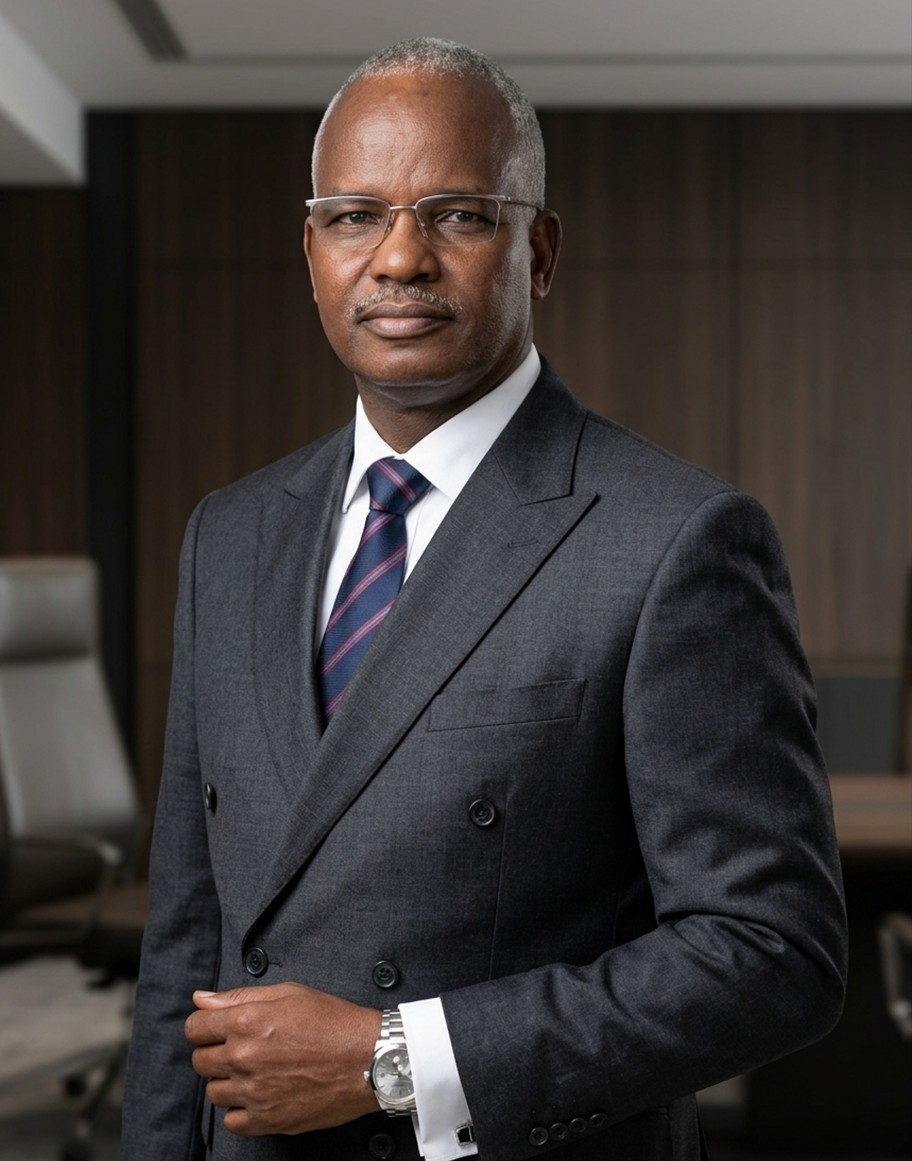
Johnson P. Osoi
Founding Partner. Leads complex corporate, project finance and energy mandates with a regional footprint.
SEE FULL PROFILETopua Lesinko
Partner. Advises on constitutional law, M&A, public procurement and election disputes across Kenya and the region.
SEE FULL PROFILEMary Nyamawi
Office Administrator. Qualified accounts professional coordinating office operations, compliance and day-to-day client experience.
SEE FULL PROFILEJohnson P. Osoi
Founding Partner. Leads complex corporate, project finance and energy mandates with a regional footprint.
SEE FULL PROFILEAnswers from our desk.
Are AJS outcomes enforceable?+
Where properly documented and aligned with Article 159, courts routinely give effect to AJS outcomes.
How do you ensure AJS processes meet constitutional standards?+
We design processes that respect the Bill of Rights, particularly equality and non-discrimination, and we document each step so the outcome can be recognised in court.
Can you train councils of elders and judicial officers?+
Yes. We run structured training programmes on AJS principles, recordkeeping, gender-sensitive facilitation and court recognition.
Do you advise extractive and infrastructure projects on community AJS engagement?+
Yes. We design Article 159-aligned community processes that complement statutory consultation under mining, energy and land legislation.
How do you handle gender-sensitive matters in customary fora?+
We work with women elders, legal-aid organisations and trained facilitators to ensure customary processes do not perpetuate exclusion and meet constitutional equality standards.
Articles, publications and legal updates.

Discuss your matter, confidentially.
Whether you require a confidential consultation or a free case evaluation, our partners are ready to listen.